






Arup and Better Shelter at the Working Together For Disaster Relief conference
|
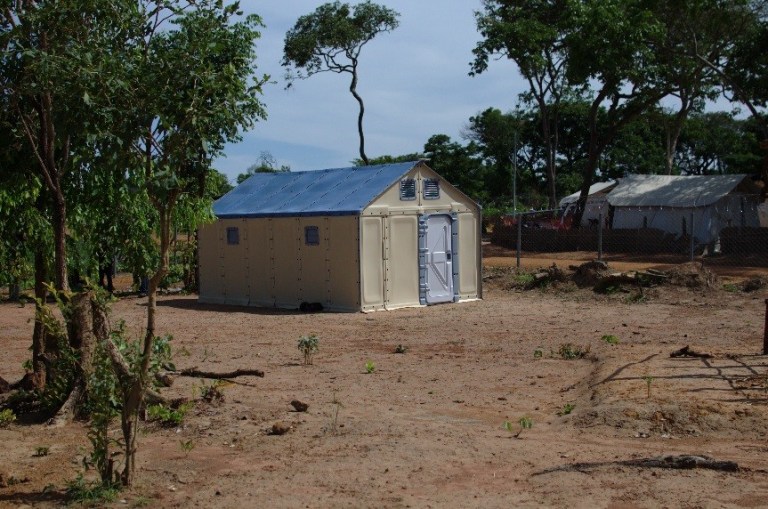
| The Better Shelter in use in Zambia. Come and see the shelter at the WFDR conference on 8th February at BRE. ©Better Shelter |
The Working Together for Disaster Relief conference, taking place on the 8th February at BRE, is focused on exploring the best ways for the private and humanitarian sectors to collaborate in support of localisation and local capacity building in disaster response activities. One of the breakout sessions will focus on the construction and infrastructure sectors in disaster response. This session will be facilitated by BRE, with presentations from Arup and Better Shelter.
The private sector has an important role to play in providing support to the humanitarian sector. For example, Arup, through their International Development group have experience in working alongside humanitarian and development agencies to find solutions to complex issues globally. “Through our international development team and disaster response & recovery fund, we have worked in over 50 countries globally. Working in difficult situations around the world presents unique challenges that are often best addressed through our participatory and co-creative approach of working closely with local actors and the humanitarian sector”, said Sebastian Kaminski, Senior Structural Engineer at Arup, who will be discussing Arup’s support in responding to the Rohingya crisis in Bangladesh.
There is often a desire on the part of the private sector to help in humanitarian responses but given the different contexts and working methods of global humanitarian organisations, translating that into action can be difficult.
Better Shelter, working in partnership with UNHCR and the IKEA Foundation, initiated a successful project bringing different stakeholders together to design and develop temporary post-emergency shelters. The shelter, which will be on display at the Working Together for Disaster Relief conference, utilises innovative materials and techniques to allow an appropriate trade-off between cost, weight, and performance that meets the needs of displaced people. “The technology was only one aspect among many that were essential for making the project work.” Says Johan Karlsson, Managing Director of Better Shelter, “The other central enablers were the people and the institutions involved. In fact, aligning stakeholders with different backgrounds and expectations repeatedly proved harder than developing the technology itself.”
In order to make progress in reconstruction methods and technologies, this sort of cross-sector collaboration is key. By hearing about the successes and challenges faced by Arup and Better Shelter at the Working Together for Disaster Relief conference, we aim to examine the best way to encourage this sort of activity in the future. This is in line with BRE’s mission to build a better world together, and a key outcome that we will be focusing on. BRE will be facilitating the session, and are looking forward to exploring how we can build on our previous activity in the humanitarian sector through QSAND and development work such as the Advancing the Sustainability of Social Housing in Brazil project that won a British Expertise International Award last year.
“BRE has long been focused on supporting humanitarian and development work through disseminating technical support and guidance to projects. The outputs of this conference will help BRE and other stakeholders continue to support work in this area and promote greater localisation in development projects.” Said Yetunde Abdul, QSAND Programme Manager at BRE.
You can find more information and register for the Working Together for Disaster Relief conference here.
This article was authored by Yetunde Abdul and first published on BRE Buzz on 25 Jan 2019.
--BRE Buzz
[edit] Related articles on Designing Buildings
- About BRE Buzz
- Adobe.
- Architecture of Christiania.
- Biomass.
- Clay.
- Cob building.
- Construction materials.
- Do green buildings pay?
- Earthen construction.
- Energy targets.
- Green building.
- Hemp lime construction: A guide to building with hemp lime composites.
- Hempcrete.
- K-Briq.
- Planning for floods.
- Practical Building Conservation: Earth, Brick and Terracotta.
- Recyclable construction materials.
- Retrofit.
- Rubble trench foundation.
- Sustainable development.
- Sustainable materials.
- Terracotta.
- Unfired clay masonry: An introduction to low-impact building materials.
- Wattle and daub.
Featured articles
Check out some of the best features and news from Designing Buildings as well as key stories from around the web.

CIOB photography competition is open for entries.
ECA Edmundson apprentice of the year award
Finalists announced.
Major new study exposes serious knowledge gaps.
Generating energy from internal light as well as sunshine.
ECA welcomes plans to strengthen subcontractor quality control.
Combining mid-career qualifications with experience broadens career opportunities.

Why being a mentor can help your career.

Channel 4 broadcaster to host 125th anniversary ceremony.
Listed structures on the rail network
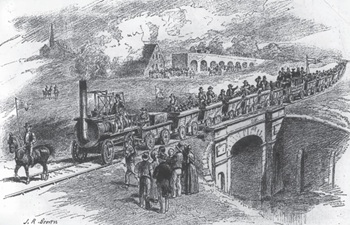
Heritage interests and operational requirements must be balanced.
Historic England publishes research into embodied carbon when retrofitting traditional buildings.

New Prime Minister delivers on ECA call for cut in electricity costs.

CIOB reacts to the announcement of Andy Burnham as Prime Minister.